


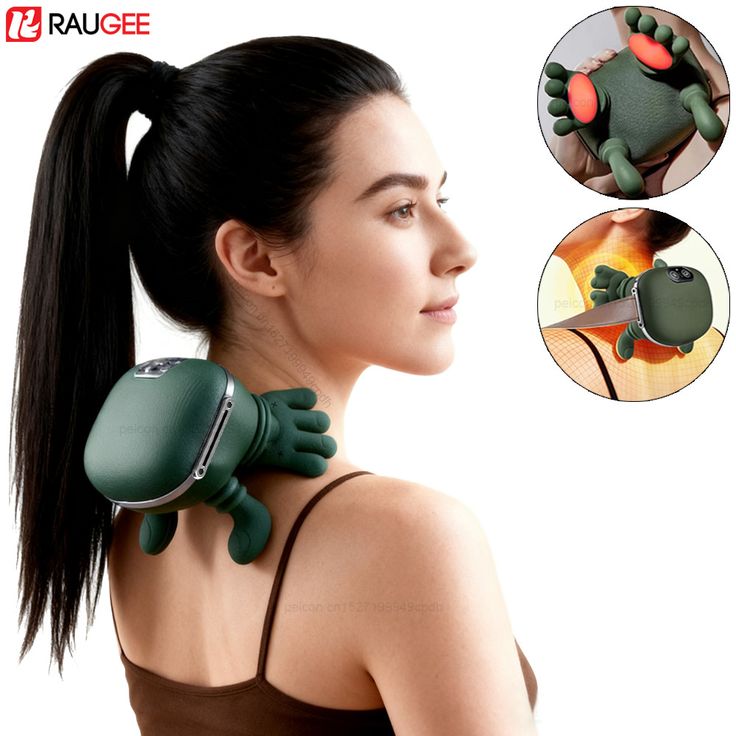
Carpal tunnel syndrome is usually associated with the wrist and hand, but its discomfort often doesn’t stay in one place. Many people experience radiating sensations that travel up the forearm, into the elbow, and sometimes even toward the shoulder and neck. This happens because nerves, muscles, and posture are closely interconnected in the upper body.
Modern Hand neck massager are increasingly used together to address this broader chain of tension—not just the wrist symptoms, but the upstream muscle stress that can worsen nerve irritation.
Understanding the Carpal Tunnel–Upper Body Link
The carpal tunnel is a narrow passage in the wrist where the median nerve travels. When compressed, it can cause pain, tingling, or numbness in the hand and fingers.
Why Symptoms Spread Beyond the Wrist
Nerves are part of a continuous system. Irritation in one area can influence others along the same pathway.
Common contributing factors include:
- Repetitive hand movements (typing, mouse use, phone scrolling)
- Poor wrist positioning
- Tight forearm muscles
- Shoulder and neck tension affecting nerve pathways
How Neck and Shoulder Tension Worsen Hand Symptoms
It may seem surprising, but neck and shoulder muscles play a significant role in how wrist and hand pain develops.
1. Nerve Compression Upstream
The median nerve originates from the cervical spine. Tight muscles in the neck and shoulder can increase nerve sensitivity along its path.
2. Postural Strain
Forward head posture and rounded shoulders place extra load on the upper body, indirectly increasing strain on the arms and wrists.
3. Muscle Chain Tightness
Muscles in the neck, shoulder, forearm, and hand work as a connected system. Tightness in one area often leads to compensatory stress elsewhere.
Why Treating Only the Wrist Is Not Always Enough
Focusing only on the wrist may provide temporary relief, but it does not address contributing tension upstream.
Limitations of Wrist-Only Relief
- Does not reduce shoulder or neck compression
- Fails to correct posture-related strain
- Leaves underlying muscle tightness unresolved
How Neck Massagers Help Indirectly Relieve Hand Pain
Neck and shoulder massagers target the upper part of the nerve pathway.
1. Releasing Cervical Muscle Pressure
Hand-simulated kneading helps relax muscles around the cervical spine.
Effect
Reduced pressure on nerve roots that influence arm and hand sensation.
2. Improving Posture Alignment
Loosening the trapezius and shoulder muscles helps the upper body return to a more neutral position.
Result
Less strain is transmitted down the arm during daily activity.
3. Reducing Referred Tension
Relaxed neck muscles can decrease the sensation of radiating discomfort.
How Hand Massagers Support Direct Wrist Relief
Hand or forearm-focused massagers complement neck therapy by targeting local tension.
1. Forearm Muscle Relaxation
Kneading devices help release tight forearm muscles that compress nerves.
Key Areas
- Flexor muscles
- Extensor muscle groups
2. Improved Circulation
Massage increases blood flow to the wrist and hand area.
Benefit
Reduces stiffness and supports nerve function recovery.
3. Decreased Local Pressure
Gentle compression helps reduce irritation around the carpal tunnel region.
Why Combining Neck and Hand Massage Works Best
The most effective approach treats the entire kinetic chain.
Dual-Point Relief Strategy
- Neck and shoulders → reduce upstream nerve pressure
- Forearms and hands → reduce local compression
Result
More comprehensive relief than treating either area alone.
The Role of Muscle Chains in Nerve Pain
The body operates through interconnected muscle and nerve pathways.
Key Concept: Kinetic Chain
- Neck muscles influence shoulder alignment
- Shoulder tension affects arm movement
- Arm strain impacts wrist load
Disruptions anywhere in this chain can amplify carpal tunnel symptoms.
How Modern Massage Devices Address This System
1. Hand-Simulated Neck Devices
- Target trapezius and cervical muscles
- Reduce upper-body nerve compression
2. Hand and Forearm Devices
- Focus on local muscle release
- Improve circulation in affected areas
3. Combined Use Strategy
Alternating between devices provides layered relief across the entire pathway.
When Massage Helps Most
Early-Stage Discomfort
Best results occur when symptoms are mild or intermittent.
Post-Work Strain
Useful after repetitive typing or manual tasks.
Chronic Muscle Tightness
Helps manage ongoing tension contributing to nerve irritation.
Important Limitations to Understand
Not a Medical Cure
Massage can reduce discomfort but does not treat severe carpal tunnel syndrome on its own.
Severity Matters
Advanced nerve compression may require medical evaluation.
Consistency Is Key
Regular use is more effective than occasional sessions.
Best Practices for Safe Use
1. Avoid Excessive Pressure on Sensitive Areas
Especially in the wrist and neck.
2. Use Short, Controlled Sessions
10–15 minutes per area is typically sufficient.
3. Maintain Neutral Posture
Proper alignment enhances effectiveness.
4. Combine With Breaks From Repetitive Activity
Rest is essential for nerve recovery.
Final Thoughts
Carpal tunnel-related discomfort is rarely isolated to the wrist alone. It often reflects a broader pattern of tension involving the neck, shoulders, and forearms. This is why combining neck and hand massagers can be more effective than focusing on a single area.
By addressing both upstream nerve pressure and local muscle tightness, modern hand-simulated massage devices help reduce radiating discomfort, improve circulation, and support better overall upper-body balance. When used consistently and correctly, they become a practical part of managing daily nerve-related strain in a modern, screen-heavy lifestyle.
