


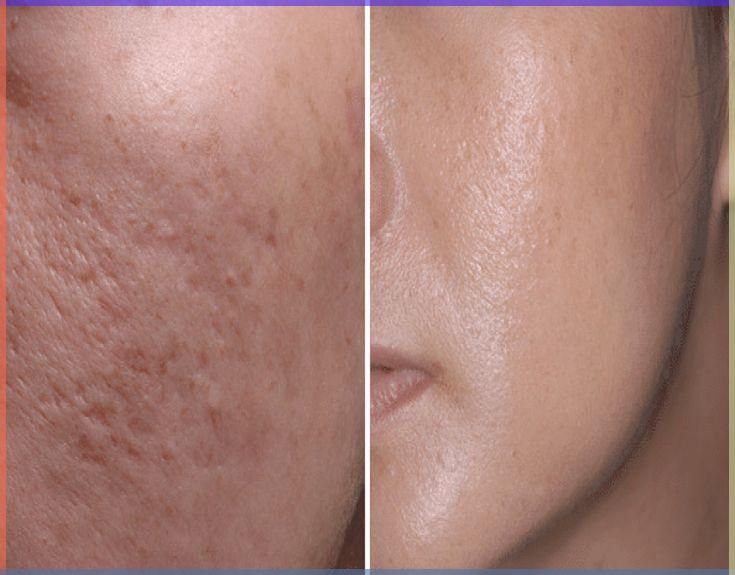
Dark spots and mild acne scars are two of the most common skin concerns people experience after breakouts heal. While deep acne scars may require professional treatments, many cases of post-acne marks and uneven skin tone can improve with consistent use of effective over-the-counter skincare ingredients.
The key is understanding which ingredients target pigmentation, support skin renewal, and encourage a healthier complexion. With the right Acne Scars The Woodlands routine, many people can gradually fade dark spots, smooth mild texture issues, and prevent new discoloration from forming.
Understanding Dark Spots vs. Acne Scars
Before choosing skincare products, it is important to understand the difference between dark spots and true acne scars.
Post-Inflammatory Hyperpigmentation (Dark Spots)
Dark spots left behind after acne are usually caused by increased melanin production following inflammation. These marks appear as:
- Brown spots
- Red or purple marks
- Uneven skin tone
They are not actual scars and often fade with time and proper skincare.
Mild Acne Scars
Mild acne scars involve slight changes in skin texture caused by collagen damage during the healing process.
Examples include:
- Slight unevenness
- Minor shallow depressions
- Enlarged pores
While over-the-counter products can improve skin texture, deeper scars usually require professional treatments.
Best Over-the-Counter Ingredients for Dark Spots and Mild Acne Scars
Retinoids: Boost Skin Renewal and Collagen Production
Retinoids are among the most effective skincare ingredients for improving acne-related concerns.
Over-the-counter retinoid options, such as retinol, work by increasing cell turnover and encouraging healthier skin regeneration.
Benefits include:
- Fading dark spots
- Improving uneven texture
- Supporting collagen production
- Preventing clogged pores
- Reducing future breakouts
Retinoids require patience because visible improvement often takes several weeks or months. They can also cause dryness or irritation when introduced too quickly.
Start with lower concentrations and gradually increase usage as your skin adjusts.
Vitamin C: Brighten and Protect Skin
Vitamin C is a powerful antioxidant commonly used for brightening dull skin and reducing visible discoloration.
It helps by:
- Supporting collagen formation
- Reducing oxidative stress
- Improving uneven skin tone
- Making dark spots appear lighter
For best results, vitamin C is often used in the morning followed by sunscreen.
A stable vitamin C formula can help protect skin from environmental damage while improving overall brightness.
Niacinamide: A Gentle Option for Uneven Skin Tone
Niacinamide is a popular ingredient because it is effective while remaining gentle for many skin types.
This form of vitamin B3 can help:
- Reduce the appearance of dark spots
- Strengthen the skin barrier
- Calm redness
- Control excess oil production
Because it is generally well tolerated, niacinamide is often recommended for people with sensitive skin who may struggle with stronger ingredients.
Alpha Hydroxy Acids (AHAs): Exfoliate and Smooth Texture
AHAs are chemical exfoliants that remove dead skin cells from the surface of the skin.
Common AHAs include:
- Glycolic acid
- Lactic acid
- Mandelic acid
They can help improve:
- Dull complexion
- Uneven texture
- Mild acne marks
- Surface discoloration
Glycolic acid tends to provide stronger exfoliation, while lactic acid is often considered gentler for sensitive skin.
Overuse of acids can irritate the skin, so it is important to introduce them slowly.
Salicylic Acid: Prevent Breakouts and Improve Texture
Salicylic acid is a beta hydroxy acid (BHA) that penetrates into pores to remove oil and debris.
It is especially useful for people who experience:
- Acne-prone skin
- Clogged pores
- Post-acne discoloration caused by repeated breakouts
By reducing new acne formation, salicylic acid can help prevent additional dark spots from developing.
Azelaic Acid: Target Pigmentation and Redness
Azelaic acid is a versatile ingredient that can improve several acne-related concerns.
It may help:
- Fade dark spots
- Reduce redness
- Calm inflammation
- Improve acne-prone skin
It is often a good option for people who want pigmentation improvement without using overly aggressive exfoliating ingredients.
Hydroquinone: A Powerful Spot-Fading Ingredient
Hydroquinone has long been used as a skin-brightening ingredient for stubborn pigmentation.
It works by reducing melanin production and can be effective for:
- Persistent dark spots
- Uneven pigmentation
- Post-acne marks
Because it is a stronger ingredient, it should be used carefully and according to product instructions.
Some people may experience irritation, especially with prolonged or improper use.
Sunscreen: The Most Important Step for Fading Dark Spots
Even the best brightening ingredients will have limited results without daily sun protection.
UV exposure can:
- Darken existing spots
- Slow fading
- Trigger additional pigmentation
A broad-spectrum sunscreen with SPF 30 or higher should be applied every morning, even on cloudy days.
Sunscreen is one of the most important steps for maintaining results from any dark spot treatment.
Building an Effective Routine for Acne Marks
A simple routine is often more effective than using too many active ingredients at once.
Morning Routine
A basic morning routine may include:
- Gentle cleanser
- Vitamin C or niacinamide serum
- Moisturizer
- Sunscreen
Evening Routine
An evening routine may include:
- Cleanser
- Retinoid or exfoliating treatment
- Moisturizer
Avoid combining too many strong ingredients at the same time, as irritation can make pigmentation worse.
How Long Does It Take to See Results?
Fading dark spots requires consistency and patience.
Typical timelines:
- Mild improvement: 6–8 weeks
- Noticeable fading: 3–6 months
- Continued improvement: Longer with consistent care
The speed of results depends on:
- Skin type
- Severity of pigmentation
- Ingredient strength
- Routine consistency
Common Mistakes That Slow Progress
Skipping Sunscreen
Without sun protection, dark spots may continue to return.
Using Too Many Active Ingredients
Combining multiple acids, retinoids, and brightening products can damage the skin barrier.
Expecting Overnight Results
Skin regeneration takes time. Consistent use is more important than constantly switching products.
Ignoring Moisturization
A damaged skin barrier can increase sensitivity and irritation, making discoloration harder to manage.
Final Thoughts
Over-the-counter skincare ingredients can be highly effective for fading dark spots and improving mild acne scars when used correctly. Ingredients like retinoids, vitamin C, niacinamide, AHAs, salicylic acid, azelaic acid, and sunscreen each play an important role in creating smoother and more even-looking skin.
The best approach is a consistent routine tailored to your skin type. While deeper scars may need professional procedures, many post-acne marks can gradually improve with the right combination of proven skincare ingredients and daily sun protection.
