


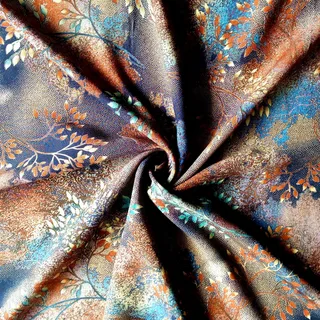
Romania’s fashion scene is growing, with new brands making their mark. For these startups, choosing the right fabric is critical. It impacts the final product’s quality, cost, and appeal. Viscose is a popular choice for its affordability and versatility, but finding it at the right price can be a challenge.
This guide provides a straightforward approach for Romanian fashion startups to source low-cost, high-quality viscose fabric. We will cover what makes viscose a smart choice and outline practical strategies for finding reliable suppliers. By following these steps, you can secure the materials you need to build your brand effectively.
Understanding Viscose Fabric
Viscose is a semi-synthetic rayon fabric made from wood pulp. It is often used as a silk substitute due to its similar drape and smooth feel. For fashion startups, viscose presents a compelling combination of quality and affordability.
The benefits of using viscose include:
- Versatility: It can be blended with other fibers like cotton, polyester, and spandex to achieve different textures and characteristics.
- Comfort: It is soft, breathable, and comfortable to wear, making it suitable for a wide range of clothing items.
- Appearance: Viscose drapes well and has a lustrous finish, giving garments a high-quality look.
- Cost-Effectiveness: Compared to natural fibers like silk, viscose is significantly more affordable, helping new brands manage their production costs.
These attributes make viscose an excellent material for startups aiming to produce stylish, comfortable, and competitively priced apparel.
Strategies for Sourcing Viscose
Finding the right supplier is crucial for managing costs and ensuring fabric quality. Here are several effective sourcing strategies for your Romanian fashion startup.
Online Marketplaces
Online B2B marketplaces connect you with a global network of fabric suppliers, offering competitive pricing.
- Alibaba: This platform is a massive source for fabric suppliers, primarily from Asia. You can find a vast selection of viscose fabrics at very low prices, especially when buying in bulk. However, you must be diligent in verifying supplier credentials and ordering samples to check quality.
- Fabriclore: As a leading supplier, Fabriclore provides a streamlined sourcing experience for businesses globally. They offer a wide range of fabrics, including various types of viscose, and support customized design and printing at low minimum order quantities (MOQs). Their platform simplifies the process of finding both local and international options.
- Etsy: While known for handmade goods, Etsy also hosts many smaller fabric suppliers. This can be a good option for sourcing unique viscose prints in smaller quantities, though prices may be higher than on large B2B sites.
Local and EU Suppliers
Sourcing from suppliers within Romania or the European Union offers distinct advantages.
- Reduced Shipping Costs: Sourcing locally eliminates international shipping fees and long transit times.
- Easier Communication: Working with suppliers in the same time zone and who speak a common language simplifies the ordering process.
- Faster Turnaround: Lead times are generally shorter, allowing for more agile production schedules.
- EU Trade Benefits: Sourcing within the EU means no customs duties, simplifying the importation process.
Start by searching for textile manufacturers and distributors in Romania. You can also connect with companies like Fabriclore, which have networks that include local and regional suppliers.
Wholesale Distributors
Wholesale distributors purchase large quantities of fabric from manufacturers and sell them in smaller amounts to businesses. Working with a wholesaler is a practical option for startups that don’t meet the high MOQs of large mills. Wholesalers often have showrooms where you can see and feel the fabrics before purchasing.
Textile Trade Shows
Attending textile trade shows is an excellent way to connect with a wide range of suppliers in one place. Events like Munich Fabric Start or Première Vision in Paris gather manufacturers, distributors, and designers from around the world. These shows allow you to:
- Assess fabric quality firsthand.
- Compare prices from multiple suppliers.
- Build direct relationships with manufacturers.
- Stay informed about new materials and industry trends.
Tips for Reducing Costs
Securing the lowest price requires a proactive approach. Implement these cost-saving tactics to improve your bottom line.
- Buy in Bulk: Suppliers offer lower per-meter prices for larger orders. As your startup grows, consider increasing your order size to benefit from these discounts.
- Negotiate Prices: Don’t hesitate to negotiate with suppliers. Ask for discounts on large orders or for being a repeat customer. Building a good long-term relationship can lead to better pricing over time.
- Leverage Seasonal Sales: Many suppliers offer end-of-season or clearance sales to move old inventory. This can be a great opportunity to purchase high-quality viscose at a reduced price.
Ensuring Fabric Quality
Low cost should not mean low quality. To ensure the viscose you source meets your standards, follow these quality assurance steps:
- Request Samples: Always order fabric samples before placing a bulk order. This allows you to check the color, weight, drape, and feel of the material.
- Conduct Tests: Perform basic tests on the samples. Check for colorfastness by washing a small piece, and assess its durability by pulling on the fabric to test its strength.
- Clarify Specifications: Provide clear technical specifications to your supplier, including desired fabric weight, width, and finish.
Sustainability and Compliance
As consumers become more environmentally conscious, offering sustainable products can be a key differentiator. When sourcing viscose, consider eco-friendly options like Lenzing™ Ecovero™, which is produced with significantly lower emissions and water impact.
Additionally, ensure your suppliers comply with relevant EU regulations, such as REACH, which addresses the production and use of chemical substances. Working with reputable suppliers helps ensure your fabrics are safe and responsibly made.
Your Path to Effective Sourcing
For a Romanian fashion startup, finding affordable, quality viscose is a fundamental step toward success. By using a mix of sourcing strategies—from global online marketplaces like Alibaba to specialized suppliers like Fabriclore and local distributors—you can find the right partners for your business. Applying smart cost-saving tactics and maintaining strict quality control will allow you to build a strong foundation for your brand. Take a strategic approach to sourcing, and you will be well-positioned to create fashion that appeals to your target market.
Fabriclore highlights four main types of viscose fabric weaves on this page: Plain Weave Viscose, Twill Weave Viscose, Satin Weave Viscose, and Jacquard Weave Viscose. Plain weave viscose is described as simple, sturdy, and versatile for everyday clothing and home textiles. Twill weave viscose features a diagonal rib for added durability, making it suitable for trousers, jackets, and other hard‑wearing garments. Satin weave viscose offers a glossy, smooth, high–thread count surface ideal for eveningwear and lingerie. Jacquard weave viscose incorporates intricate woven patterns, used for upscale garments, decorative pieces, and couture applications.
Fabriclore is a leading B2B fabric sourcing platform dedicated to empowering fashion designers, apparel manufacturers, and clothing brands worldwide. With 10+ years of experience in the textile industry, we have built a trusted network that connects creativity with high-quality fabrics, ensuring seamless and efficient sourcing for every scale of production.
Our extensive collection includes natural fibers like cotton fabric, linen fabric, and silk fabric; man-made fibers such as viscose and polyester; along with sustainable options like LENZING™, LIVA™, BEMBERG™ Cupro, and organic cotton.
We offer four key services tailored to meet every design and production need:
- Dyeable Fabric – Woven RFD & greige, sustainable, and knitted fabrics.
- Dyed Fabric – Mill dyed, yarn dyed, Schiffli, and denim fabrics.
- Made To Order – Digital printing, screen printing, block printing, and dyeing solutions.
- Ready Stock – Block, screen, Ikat, tweed, and jacquard fabrics.
Explore our diverse range of custom-printed, ready mill-dyed, and yarn-dyed fabrics to find the perfect match for your next collection.
For personalized assistance or inquiries, reach out to us at [email protected].
Experience seamless, authentic, and affordable fabric sourcing with Fabriclore — your trusted partner with over a decade of expertise in the global textile industry.
